






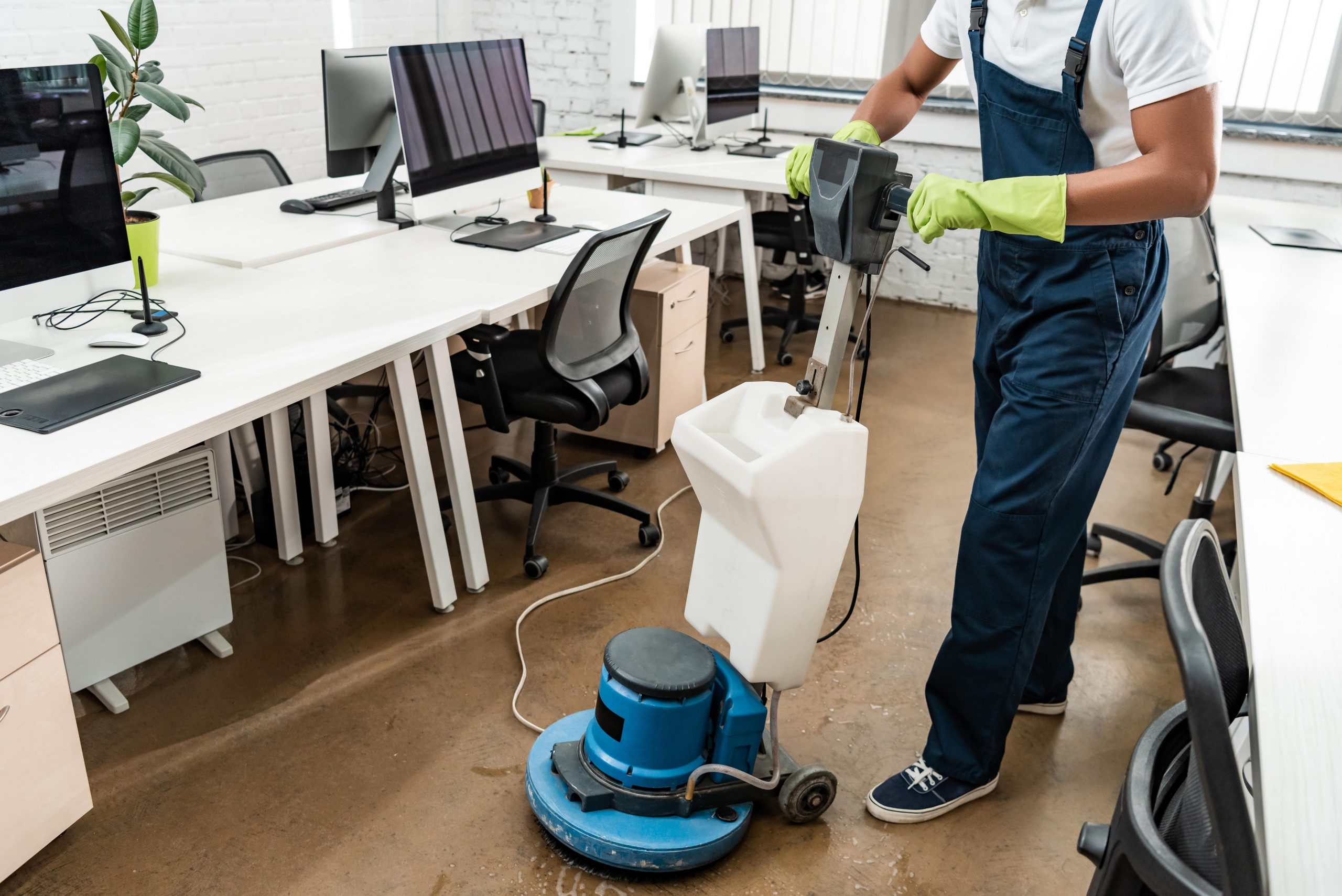
Keeping floors clean and polished enhances not only the appearance of a home but also its overall hygiene and longevity. While regular sweeping and mopping maintain surface cleanliness, achieving a smooth, glossy finish often requires a reliable floor polisher. With numerous models available in the market, selecting the right one for home use can feel overwhelming.
Different floor types—such as hardwood, tile, marble, or laminate—require specific care and polishing techniques. Using the wrong equipment may damage surfaces or fail to deliver the desired shine. Homeowners must consider factors like machine type, power, ease of use, and maintenance requirements before making a purchase. By understanding the essential features and matching them to household needs, anyone can invest in a floor polisher that improves cleaning efficiency and preserves flooring quality over time.
Understanding Different Types of Floor Polishers
Floor polishers come in various types, each designed for specific cleaning needs. Rotary polishers are powerful machines typically used for deep cleaning and heavy-duty polishing. They are effective but may require some experience to handle properly.
Orbital polishers, on the other hand, are more user-friendly and ideal for home environments. Their gentle circular motion reduces the risk of surface damage. There are also compact handheld polishers suited for small areas and tight corners.
Within practical home cleaning equipment selection and floor maintenance solutions, choosing the correct machine type ensures both safety and efficiency. Matching the polisher to the flooring material prevents unnecessary wear.
Understanding these categories simplifies the buying decision and helps homeowners avoid costly mistakes.
Matching the Polisher to Your Floor Type
Different flooring materials require specific polishing approaches. Hardwood floors benefit from polishers with soft pads that protect delicate finishes. Marble and stone surfaces may require machines compatible with specialized polishing compounds.
Tile floors often need stronger scrubbing power to remove grout stains and buildup. Laminate floors require gentle polishing to prevent scratches.
Reading manufacturer recommendations for both the flooring and the polisher helps ensure compatibility. Adjustable speed settings offer versatility for handling multiple surfaces.
Selecting a polisher that suits your primary floor type extends the lifespan of your investment.
Key Features to Look For
Several features determine the effectiveness of a floor polisher. Motor power affects performance, particularly for stubborn stains or larger areas. Higher wattage machines often provide deeper cleaning.
Weight and maneuverability are also important. Lightweight models are easier to control and store, especially in smaller homes. Adjustable handles improve comfort during extended use.
Informed buyers often rely on smart home improvement tools and efficient cleaning technology guides when comparing models. Cord length, pad availability, and noise levels also influence usability.
Evaluating these features ensures the machine meets practical household needs without unnecessary complexity.
Ease of Maintenance and Durability
A good floor polisher should be easy to maintain. Removable and washable pads reduce long-term costs. Checking replacement part availability ensures convenience if repairs are needed.
Durable construction materials extend machine lifespan. Investing in a reliable brand may cost more initially but often provides better long-term value.
Storage considerations also matter. Compact designs save space, especially for apartment dwellers.
Proper maintenance practices, including cleaning pads after use and storing the device safely, enhance performance over time.
Budget and Long-Term Value
Budget plays a significant role in choosing a floor polisher. While affordable models may suit occasional use, frequent cleaning may require higher-quality machines.
Comparing warranties and customer reviews provides insight into product reliability. Long-term energy efficiency and reduced manual labor also add value.
Balancing cost with performance ensures satisfaction and durability.
Choosing wisely prevents unnecessary upgrades in the future.
Conclusion
Selecting the best floor polisher for home use requires thoughtful consideration of floor type, machine features, maintenance needs, and budget. Understanding the differences between rotary and orbital polishers helps homeowners match equipment to their cleaning requirements. Evaluating power, maneuverability, durability, and user comfort ensures long-term satisfaction. A well-chosen floor polisher not only enhances shine but also protects flooring surfaces from premature wear. While price is important, long-term value and reliability should guide the final decision. Regular maintenance and proper usage further extend the machine’s lifespan and preserve floor quality. By investing in suitable cleaning equipment, homeowners can maintain spotless and polished floors with greater efficiency. Ultimately, the right floor polisher simplifies household cleaning routines while contributing to a well-maintained and visually appealing living space.